You’d think I would have this down pat by now! Finding community wherever I go - making friends, fitting in, meeting neighbors, creating community in a new location. I have moved so many times – between three continents, multiple states, towns and neighborhoods. The childhood moves, beyond my control, meant fractured friendships, disruptive school changes, repeated experiences of being the new kid in class and on the block, and so often a sense of aloneness, of standing apart. My many adult moves have also meant losses, unfamiliarity, difficulty in keeping in touch with distant family and friends.
But another kind of moving has created a far greater rupture – and creating community is perhaps now a harder task.
I refer to a dramatic change in perspective. A profound shift in understanding. A stepping outside of a frame, of a way of seeing things. A shattering of one’s previous assumptions.
I had that experience when around age 19 I suddenly lost my Christian faith, a very fundamentalist version of which I had clung to throughout my adolescence. The world I believed in and which gave me a sense of purpose was gone - almost overnight.
But now, an even greater shattering of the “world” as I knew it has occurred. I mean my realization of the impending collapse of the ecosphere and of our current civilization. Encountering the facts - the extent of suffering of people and degradation of the natural world, the accelerating collapse of our ecosystem and extinction of species - has brought oceans of grief.
The realization of the awful truth that the very modern way of life, of economies, of industry, of agriculture, of technology – this very civilization in which I matured, benefited, created my attachments, career, possessions and comforts – is in fact the cause of the problem, has thrown me into spirals of disorientation, guilt, grief and alienation.
This news is fended off by so many, leaving those of us who are Collapse Aware and accepting, feeling like the kid who doesn’t fit in. Our families, our friends, our neighbors rarely want to hear about it. To fully accept collapse requires a total paradigm shift of consciousness. It requires the courage to question all previous assumptions, to look at things in a totally new way.
Yet we must still live in our daily lives.
Collapse Club and so many other online groups of shared awareness are an invaluable source of solace to me and many others - a place where we can intimately share with trust, our grief, our rage, our changes. We can share our knowledge that it is false hope to think today’s modern systems can solve the deeper issues facing humanity.
The paradox is that these trusting communities like Collapse Club are dependent on the very industrial technological systems we now question – the internet, the electric grid, the water and resources to create and cool the data centers.
But how can we create caring and trusting communities in our own locales, when we do not share the most basic assumptions of what is happening in the world? We may have diametrically opposing views of our current society and politics. Of what the crucial issues are. We suddenly find ourselves isolated, even among crowds.
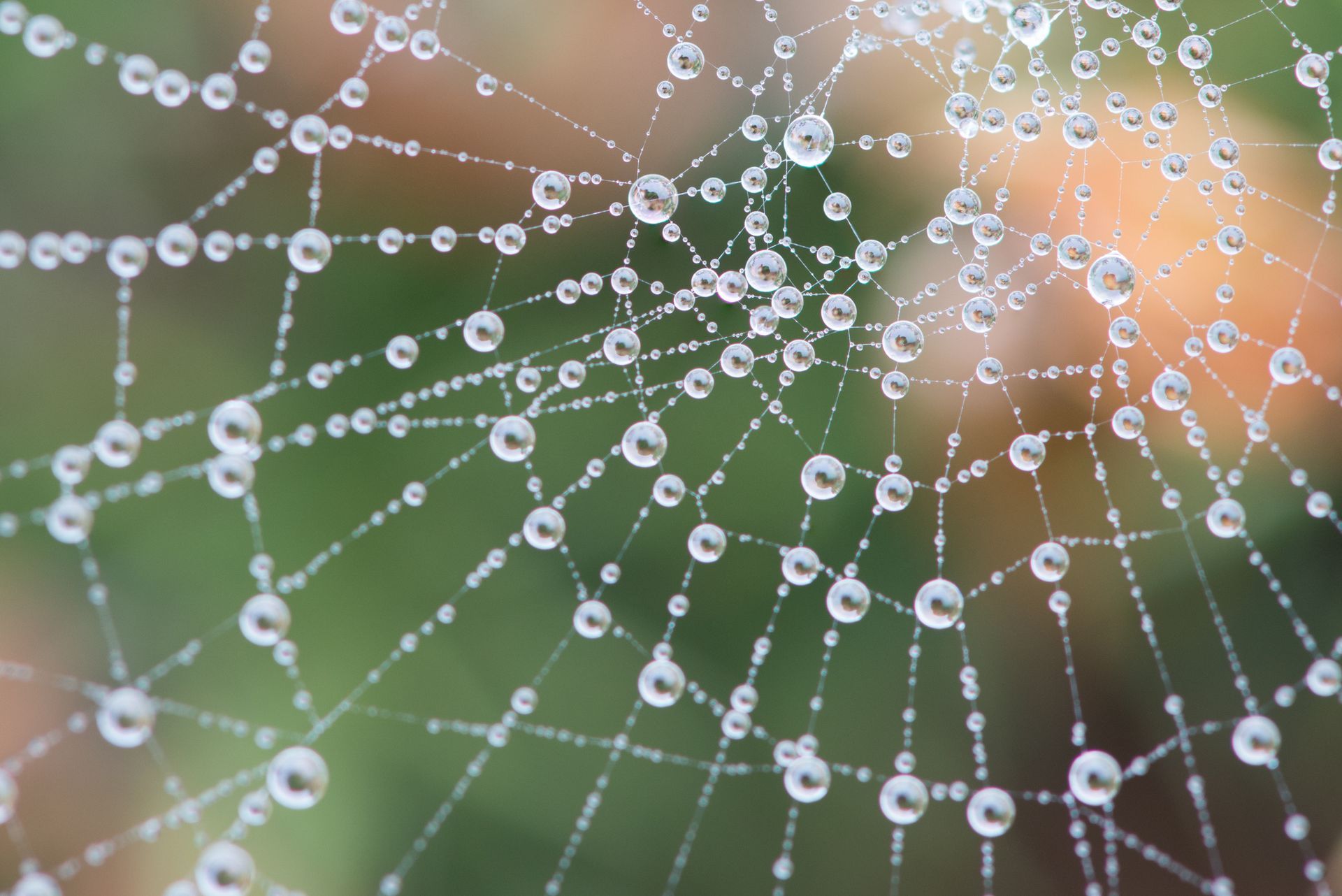
And yet – we humans are social creatures; more than that our full being can only occur within encounter with other life, within the web of life. Such encounter leads to co-creation. We cannot become a person in isolation.
Not only do we encompass myriad other organisms with in our own bodies, but we also interact biologically, spiritually, mentally with all life around us in ways we may be neither aware of nor understand that such interaction is an essential part of our being.
That awareness of interbeing has been sadly lost in western civilization and is a great part of the problem.
This nature of interconnectedness applies to all of us, even if we deny it. Our neighbors may loudly hold very extreme opinions countering our own about the politics or state of the world. But we can assume that they wish for happiness and love, for health and safety for themselves and wish to minimize suffering. We have those most basic things in common and this seems to me the starting point toward community – for community is surely co-creation.
We need to create local communities as disaster preparedness planning and I imagine most of our neighbors would respond positively to that. We can take a lead, knock on doors, or create a flyer for a block meeting re: interest in a collaborative way of communicating in an emergency.
But perhaps our need is more than disaster preparedness. It is realizing that those differences of politics, or personality, are secondary to our ultimate interconnectedness that has been so educated out of us in this modern alienated civilization. We don’t have to talk about collapse. There is so much else that we do have in common as a starting point for collaboration, including a hunger to heal alienation. And to co-create something of goodness.
These stories contain the opinions of the writers and do not necessarily reflect the opinion of Collapse Club members or conveners.

This work is licensed under Attribution-NonCommercial-NoDerivatives 4.0 International
Discuss this post!
If you would like to comment on or discuss this post with others, please join the Collapse Club Facebook Group.
Visit our Facebook Group for interesting links and light-hearted discussion. Check out the Glimmer Chat!